On 18 November 2026 the West of England Combined Authority and the National Housing Bank signed an agreement that could invest up to £250 million in new homes and regeneration across the region.
WECA said the deal adds to £130 million already committed to its Future Places Fund, the authority’s largest-ever investment.
Every scheme must align with the National Housing Bank’s mandate and pass standard due diligence, governance and approval.
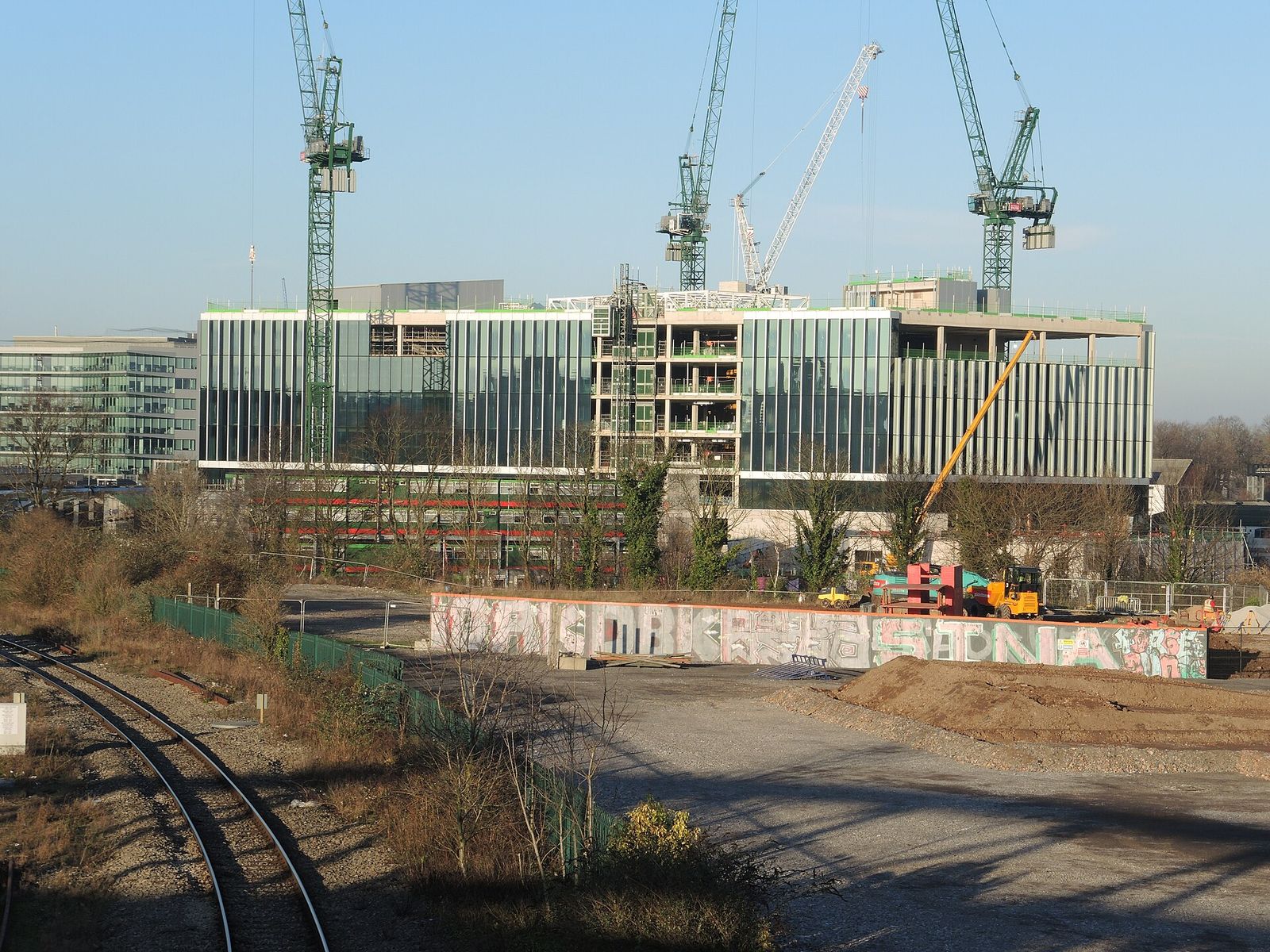
WECA said the Place Delivery Agreement with Homes England and the National Housing Bank includes North Somerset, which is in the process of joining the combined authority. It establishes a Joint Delivery Unit to speed work at Bristol Temple Quarter and in the West Innovation Arc growth zone, which is home to the region’s first Mayoral Development Zone.
Over the next decade the National Housing Bank may invest up to £16 billion nationally through debt, equity and guarantee products, GOV.UK said in its release on the West of England agreements. The Bank is a Homes England company, stepping in where the market cannot to unlock housing delivery and regeneration.
Homes in England sold for a median of £285,000 across 676,259 sales in the 12 months to September 2026, though sales in the latest months may still be incomplete because of Land Registry registration delays.
Housing Secretary Angela Rayner said: “It’s devolution in action. Local leaders know their communities best, and this partnership with Homes England and the National Housing Bank puts the power and the money behind them to get on with it.”
Bath and Bristol cost more
Land Registry records show Bath and North East Somerset homes sold for a median of £376,000 across 2,401 sales in the 12 months to September 2026. Bristol recorded £342,500 across 6,471 sales, South Gloucestershire £340,000 across 3,248 sales and North Somerset £313,500 across 3,295 sales. All four medians sit above England’s £285,000 figure.
Source: HM Land Registry Price Paid Data
Mayor Helen Godwin said in WECA’s announcement:
“Good growth is not just about numbers. It means people seeing that they can afford to live and work in places like Bath and Bristol, seeing their place in our bright future.”
New builds barely register
New-build homes made up 56 of 6,471 Bristol sales in the 12 months to September 2026, or 0.9 percent. Across England, new builds were 13,212 of 676,259 sales, or 2 percent.
South Gloucestershire saw 59 of 3,248 sales as new builds, or 1.8 percent. North Somerset recorded 67 of 3,295, or 2.0 percent.
Close to the Bristol flat price
Land Registry records show flats in the BS1 and BS2 postcode districts sold for a median of £260,000 across 263 flat sales in the 12 months to September 2026. That sits close to the Bristol flat median of £250,000 across 1,748 flat sales in the same period.
All-home medians in BS1 and BS2 have ranged from £290,000 to £311,000 since 2020, including £310,000 across 529 sales in 2020, £290,000 across 553 in 2023 and £311,000 across 522 in 2024. The Place Delivery Agreement targets faster delivery beside the station quarter WECA has put at the centre of its regeneration plans.
Forecast for 2029, if approved
The Future Places Fund launched on 20 November 2026, with CBRE confirmed as fund adviser.
WECA forecasts the fund, with investors including the National Housing Bank, could deliver up to 6,000 new homes over the next decade. It also points to up to 1.35 million sq ft of commercial space. Those figures are forecasts, not commitments.
Work could be under way on up to 2,000 of those homes by 2029. Each scheme still requires National Housing Bank approval.
Rayner said: “We want to see shovels in the ground, homes being built and good jobs created across the West of England and this investment of up to £250m will help make that happen.”