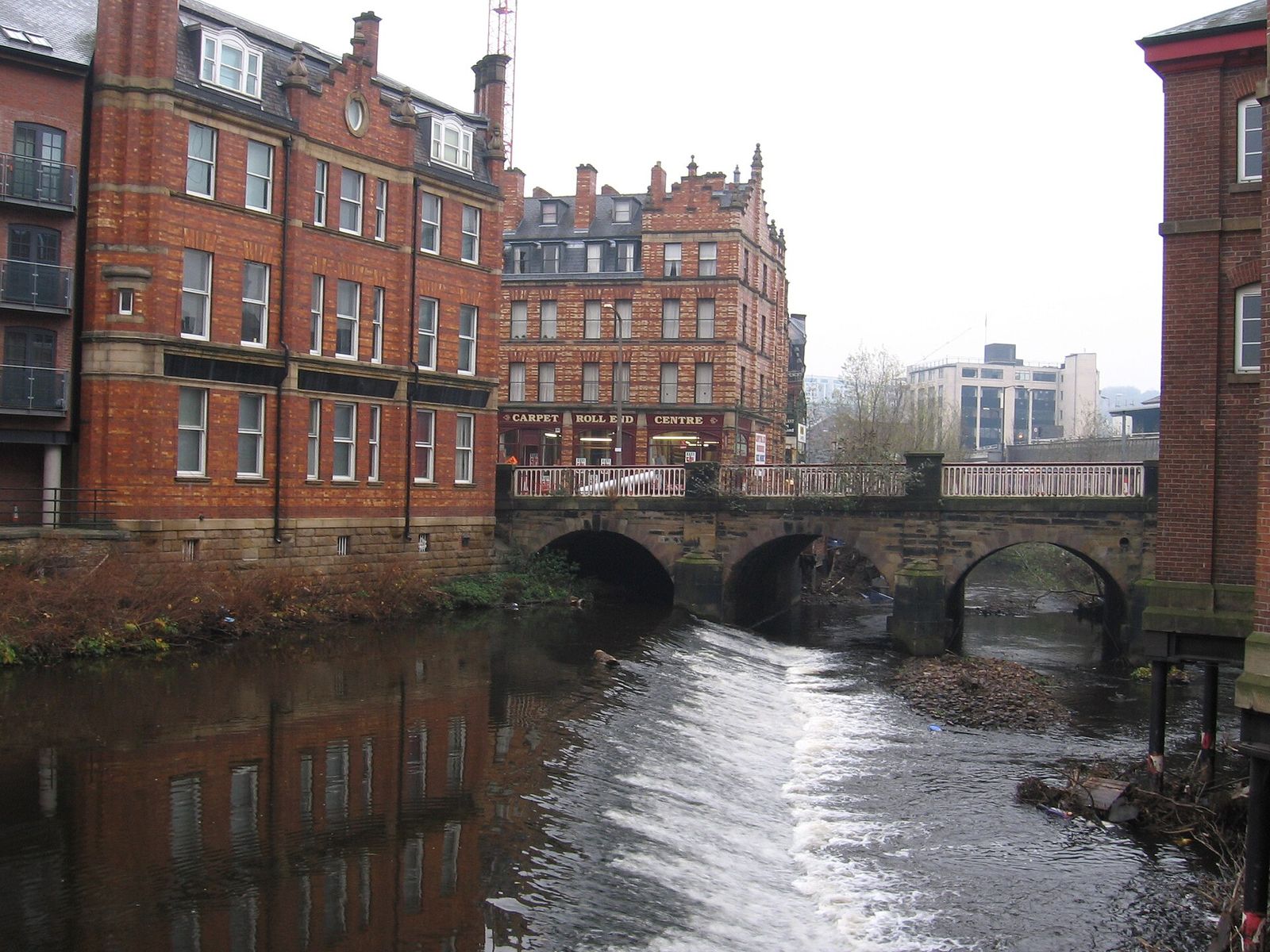
On 21 September 2026 Sheffield City Council’s Finance and Performance Policy Committee approved capital funding for flood defences on the River Sheaf from Lady’s Bridge and on the River Porter from the city-centre station.
The approved funding keeps detailed design and the business case moving; it does not pay for defences in the river yet. Council reporting on the Sheaf and Porter programme describes significant flood risk along both rivers, including at Sheffield’s main railway station.
Lady’s Bridge and the River Sheaf in Sheffield city centre. Colours show present-day Environment Agency flood risk, not a forecast; no colour does not mean no risk.
The scheme is meant to better protect about 370 homes and 250 businesses along the Sheaf and Porter, plus major city-centre infrastructure. Committee papers warn that climate change is expected to make flood risk worse year on year in the areas the project targets.
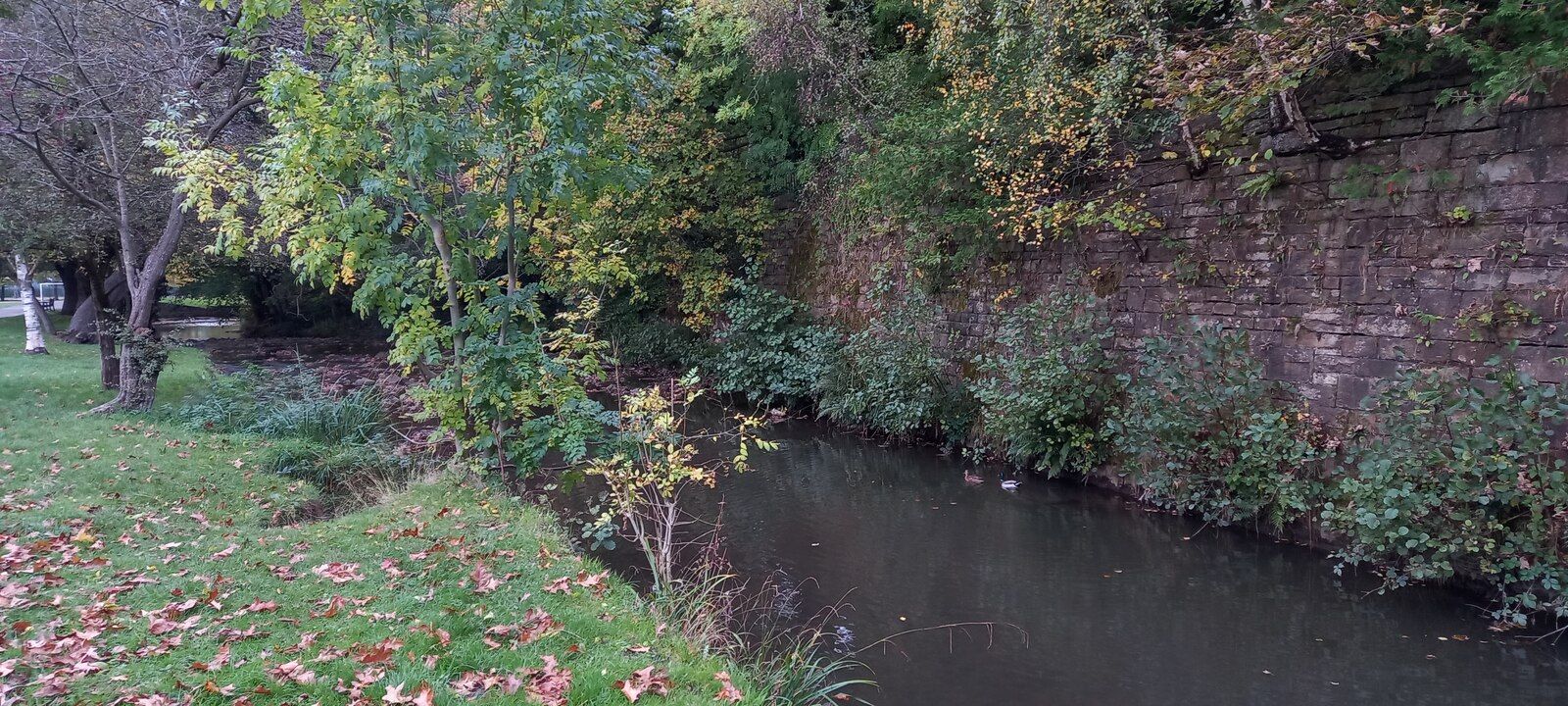
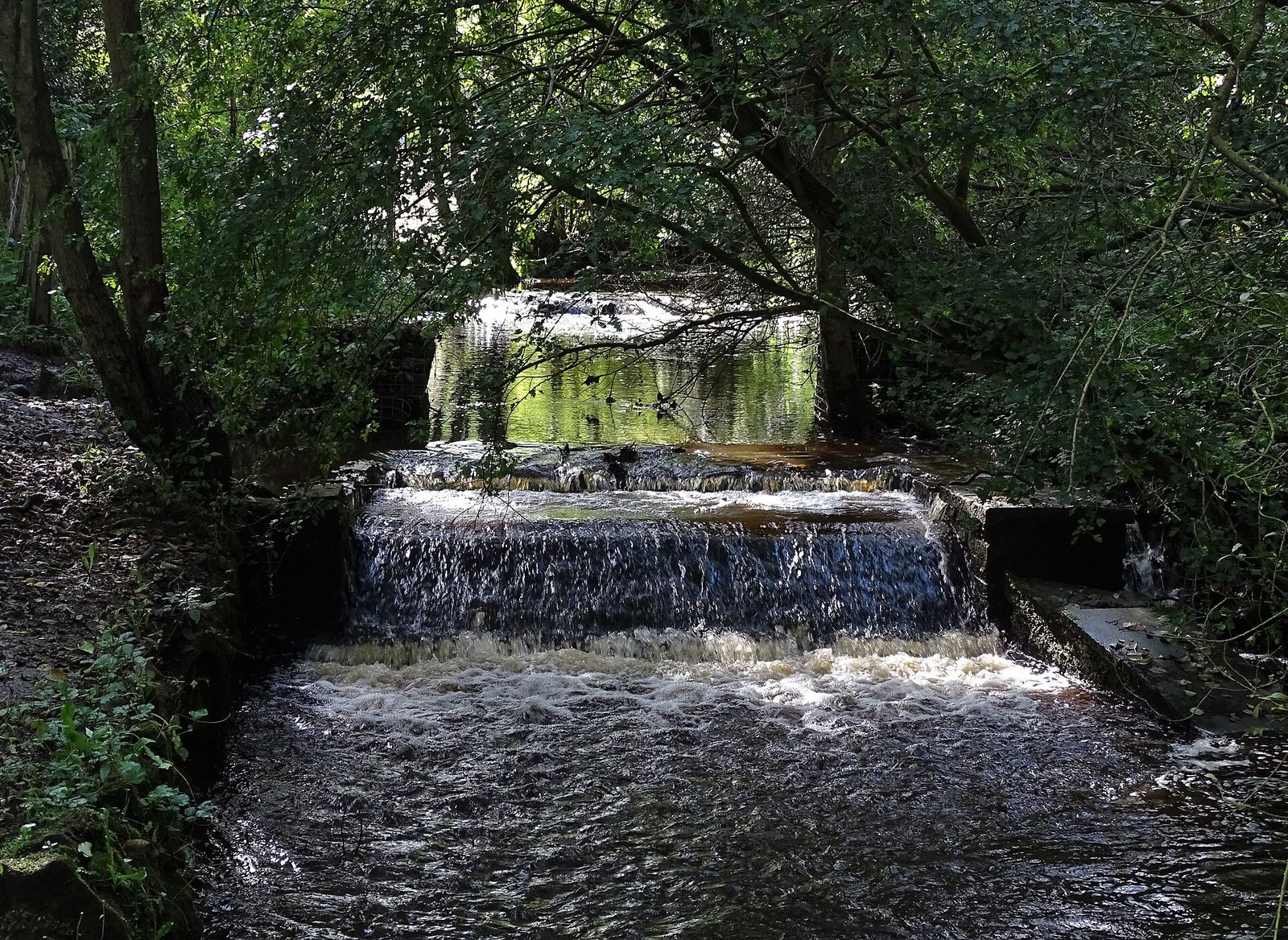
Council capital papers say the River Sheaf stretch runs from Lady’s Bridge in the city centre to Millhouses, together with areas of Dore. The River Porter stretch runs from Midland station to Bingham Park and Whiteley Woods.
Both catchments thread through neighbourhoods where officials describe significant flood risk today, on the routes where upgraded defences are being planned toward the south and west of the city centre.
What was approved
On 21 September 2026 the Finance and Performance Policy Committee approved a £2 million budget increase, to £2.8 million, to continue producing a business case for Environment Agency funding to deliver the full Sheaf–Porter project.
Grant and study funding
South Yorkshire Mayoral Combined Authority grant support for the outline business case was increased from £800,000 to £2,800,000, with the grant end date 1 December 2026.
Separately, council capital papers record that the Environment Agency awarded Sheffield City Council a £1,200,000 capital grant for an expanded technical study phase of the Sheaf catchment scheme, under a grant offer letter dated 8 January 2026.
Match funding already secured for that study phase totals £3,506,000, including £1,460,000 FCERM GiA, £315,000 local levy, £246,000 council match and £1,485,000 from SYMCA of the £2.8 million SYMCA total. The same papers estimate the construction phase of the Sheaf Catchment Flood Alleviation Scheme in the region of £35 million.
Damian Hopkinson, a finance officer at Sheffield City Council, told The Star:
“The cost of such a scheme is likely to run into tens of millions of pounds.”
That comment sits alongside the council’s own estimate of about £35 million for construction once the study and business case are complete.
What council papers say
A report to Sheffield City Council’s Finance and Performance Policy Committee states: “There is currently a significant risk of flooding to areas of the city which this project aims to address. The impact of climate change means that this risk is likely to increase year on year.”
That wording appears in the committee report and in local reporting on the September decision.
What homes sell for nearby
Lady’s Bridge sits in Sheffield city centre, where Land Registry sales cluster in postcode district S2. Those records do not show flood insurance or valuation motives, and cannot show flood-related patterns in sales.
In 2024 the median price paid in S2 was £172,000 across 582 home sales, compared with a median of £300,000 across 291 sales in neighbouring S7.
From 2022 to 2024 the median in S2 was £160,000 across 1,837 home sales, against £115,000 across 1,673 sales from 2016 to 2018.
Source: HM Land Registry Price Paid Data
HM Land Registry Price Paid Data lag by about two months; figures for 2025 are incomplete.
In S2, 129 of 582 home sales in 2024 were new builds. In the same district, 40 of 485 home sales in 2025 were new builds. Those shares are 22 per cent and 8 per cent respectively.
Earlier work on the Sheaf
The Sheaf Catchment Flood Alleviation Scheme has been in development for years. The initial Environment Agency grant for the Sheaf catchment study was awarded in 2014.
Council capital papers describe the current stage as producing an outline business case, updated flood models and detailed design before bidding for construction funding.
Deculverting and restoration of the River Sheaf through Castlegate and Castle Hill Park is linked to regeneration of the city-centre river corridor. Council news in September 2026 stated those river works and the park could be delivered together by summer 2028.
Councillor Alexi Dimond, chair of the council’s Transport, Regeneration and Climate Committee, said in council news on 23 September 2026: “Alongside this, we’re continuing to make strong progress with the restoration of the River Sheaf and the wider regeneration of Castlegate. Together, these projects will help transform this historic part of the city centre, creating new opportunities for people to connect with Sheffield’s past while supporting its future.”
What happens next
Council and Environment Agency papers say the study phase must finalise a business case to apply for construction funding.
The Environment Agency grant must be claimed before the end of the 2025-26 financial year. The SYMCA outline business case grant runs to 1 December 2026.