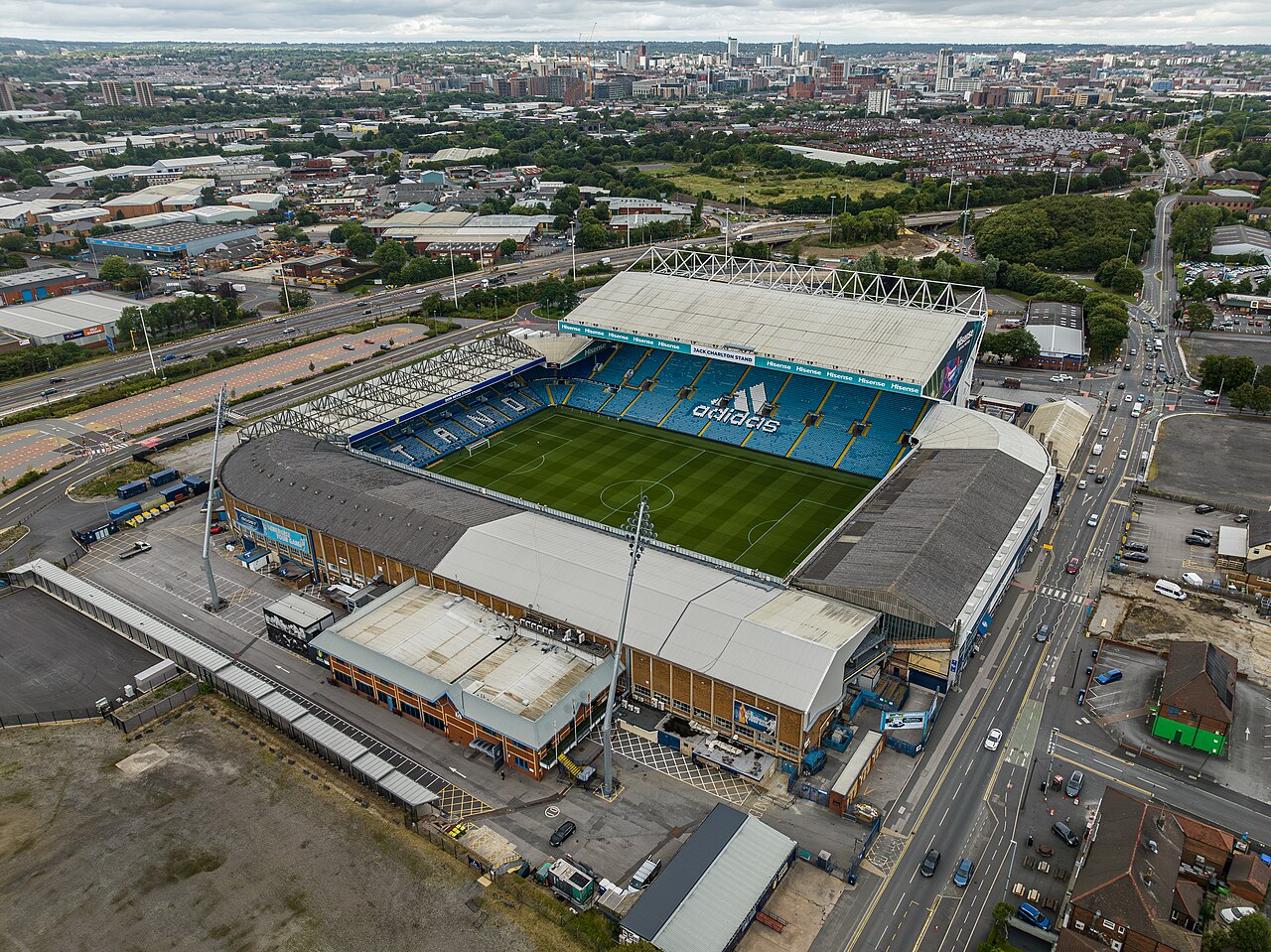
Elland Road regeneration homes sit at the centre of Beeston’s next decade: stand works are under way, and partners have put thousands of new homes on the same neighbourhood plan. On the terraces already living with match days, the impact that lands first is parking, temporary road closures and a sold-price trail that still sits below the Leeds median — not an automatic uplift from the club’s on-pitch form.
Leeds United announced in January 2026 that planning permission had been granted to lift Elland Road to up to 53,000 seats and UEFA Category 4 status, with enabling works starting immediately and major construction after the season. The club forecast around £29 million a year for the Leeds City Region economy. In May 2026, Leeds City Council, the West Yorkshire Combined Authority and the Lowy Family Group deepened a partnership MoU for the roughly 40-acre site around the stadium, naming up to 2,500 homes — including family and affordable housing — plus workspace, retail, sports facilities and public space. Mass transit was flagged as essential to unlocking that neighbourhood.
What the streets already feel
On Wesley Street, opposite the ground, residents have long described match-day cars blocking cul-de-sacs. The Yorkshire Evening Post quoted lifelong fan Brian Braithwait saying that for a couple of hours before and after matches, households on Canonbury Terrace can feel “like prisoners in our own house.” He backed stadium expansion in principle, while warning that more fans would mean more cars.
Pryce records a sale at 23 Cross Heath Grove for £220,000 on 1 August 2025 — a few streets from the stands. Across Leeds as a whole, the place page shows a median sold price of £245,000 from 3,484 sales in the latest 12-month window (updated 27 February 2026). On the map overlay, Cottingley station sits southwest of the ground; Beeston Primary School is among the schools already in the locality.
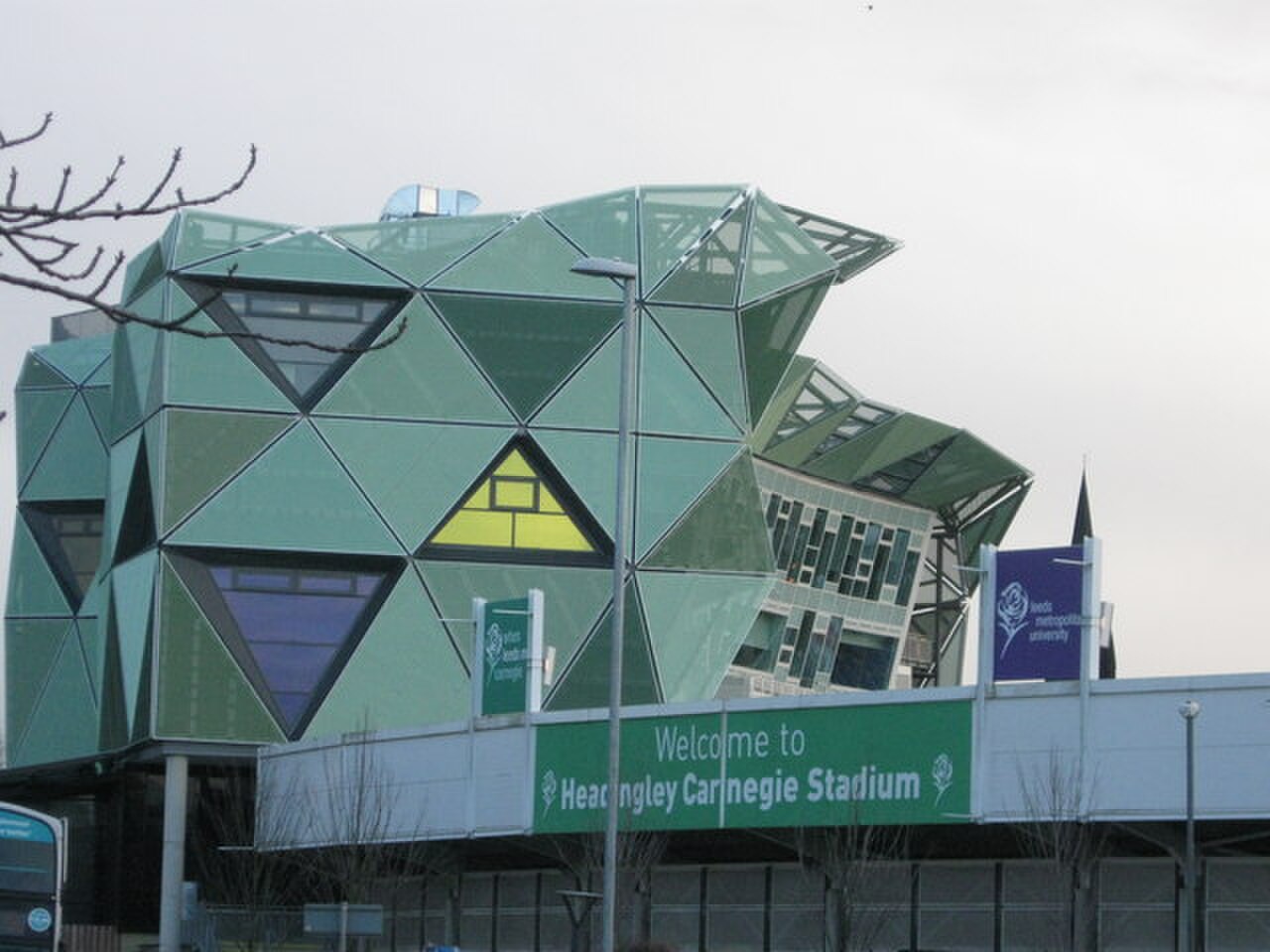
Headingley: cricket capital, parking, housing mix
North of the city, another sports suburb is chasing capital. In June 2026, Yorkshire CCC’s chief executive told BBC Sport that demutualisation and outside investment are needed to regenerate Headingley, raise capacity and keep Test cricket — after the Northern Superchargers sale left about £15 million in the Headingley Investments subsidiary. The club’s Chasing Glory 2026–2036 strategy frames Headingley redevelopment as a pillar and says the club will work closely with local residents.
Community friction is already on the record. In December 2023, BBC News reported that Leeds City Council refused match-day resident parking controls around Headingley Stadium despite an “overwhelming majority” supporting a permit scheme in a 2021 consultation, arguing most short-duration rugby and short-format cricket parking was “safe and unobstructive.” Separately, on 21 September 2026 Bdaily reported Pickard Properties converting larger Headingley student HMOs into apartments for professionals and families — starting with four houses after a £450,000 nine-bedroom-to-three-apartment project — as an attempt to widen who can put down roots beside the cricket and rugby complex.
Sports venues pull investment into Leeds suburbs. On the streets around them, the near-term effects are more vehicles, fights over parking rules, and — at Elland Road — a long-horizon promise of new homes that still depends on transport and planning. The sold prices on Beeston streets are the baseline readers can check while those schemes mature.
On the map
Open Elland Road in Beeston on the Pryce map to see the news pin on the stadium neighbourhood. From the same view, follow the residential streets toward Cross Heath Grove and Wesley Street, where match days already shape parking beside Cottingley station and Beeston Primary School.