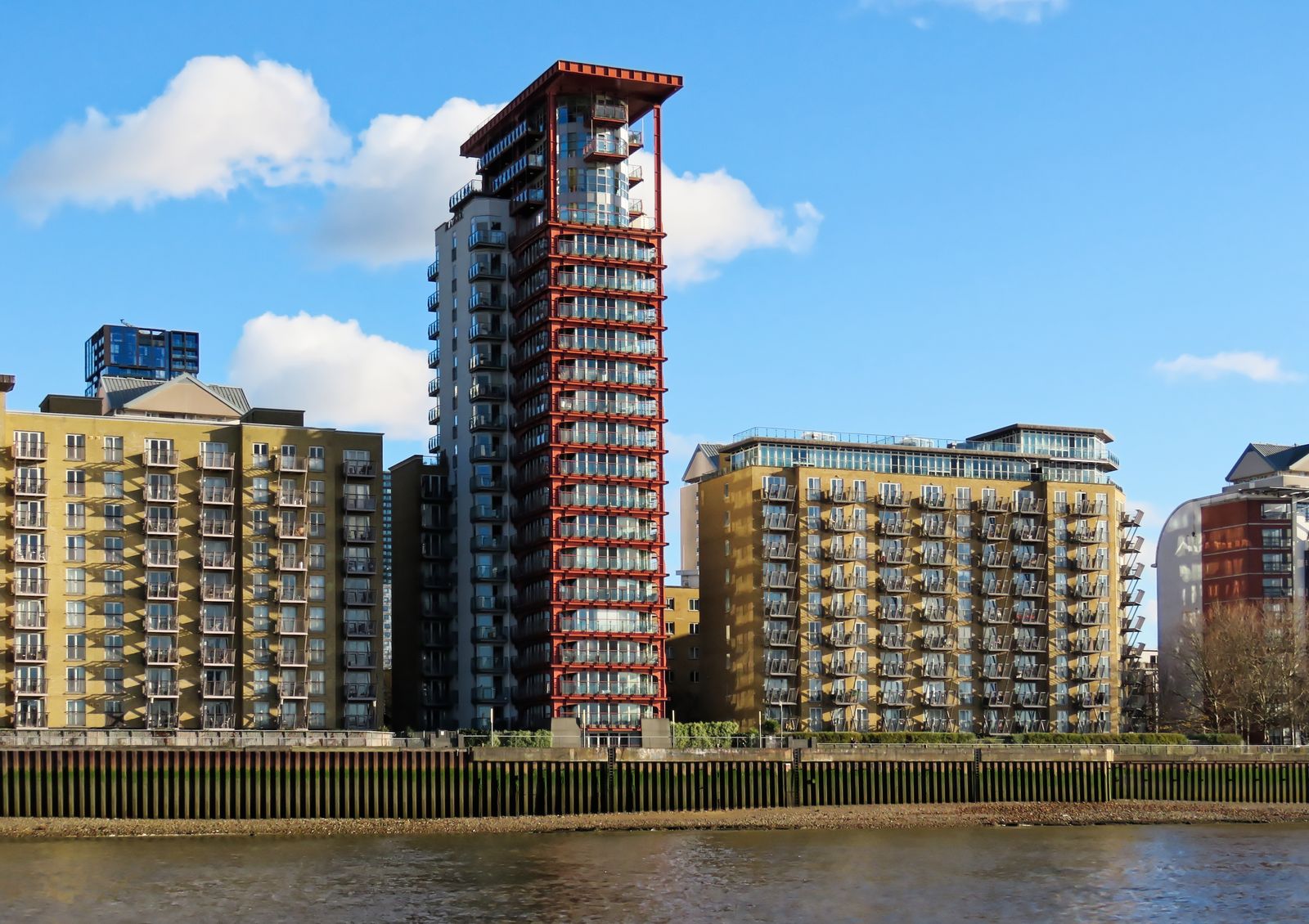
The Commonhold and Leasehold Reform Bill enters Parliament on 19 November 2026. Land Registry records show 85 percent of homes sold in Tower Hamlets in the year to September 2026 were flats.
Ministers call it the biggest shake-up to homeownership in a century. An estimated five million leasehold homes across England and Wales face the ground rents and charges the Bill targets.
Those flat sales carried a median of £425,388 across 1,882 sales in the 12 months to September 2026. Sales filed after completion can take weeks or months to appear, so September 2026 remains incomplete on the register.
Housing minister Matthew Pennycook said the leasehold system denies people control over homes they have paid for and “is blighting lives”.
Where flats dominate
Leasehold sales made up 89 percent of Tower Hamlets sales. Greater London saw leasehold on 51 percent of sales, and England on 22 percent. Flats accounted for under half of Greater London sales and about one in six across England.
Land Registry records show 1,882 of 2,207 sales in Tower Hamlets were flats.
Manchester closer, Birmingham less so
Manchester recorded leasehold on 51 percent of sales. Flats were 36 percent of Manchester sales, with 1,873 flat sales in the 12 months to September 2026.
That flat share was 12 percent across the North West, where 10,113 flat sales were recorded in the same period, and 17 percent across England, with 111,580 flat sales.
Birmingham saw leasehold on 24 percent of sales. Flats were 18 percent of Birmingham sales, with 1,734 flat sales in the year to September 2026.
The West Midlands region stood at 13 percent, where 3,576 flat sales were recorded, with England again at 17 percent.
Source: HM Land Registry Price Paid Data
Manchester flat sales had a median of £210,000 across 1,873 sales in the 12 months to September 2026.
England’s flat median was £221,000 across 111,580 sales over the same period.
Birmingham flats sold for a median of £145,000 across 1,734 sales.
The West Midlands recorded a flat median of £132,000 across 3,576 sales.
A thin new-build pipeline
The Bill makes modernised commonhold the standard for most new flats, with narrow exceptions such as shared ownership. New-build sales were 3 percent in Tower Hamlets, with 67 sales, and 2 percent across England, with 13,212 sales, in the 12 months to September 2026.
Manchester saw new-build sales at 6 percent, or 294 homes. Birmingham recorded 3 percent, or 258 sales. The West Midlands region was 1 percent, with 388 sales.
Existing blocks can convert to commonhold with 50 percent resident support, down from unanimity. Ground rents will be capped at £250 a year in 2028, then fall to zero after 40 years, for up to one million leaseholders. Marriage value will be scrapped for leases with 80 years or less, and 990-year extensions will be made easier.
Professor Nick Hopkins, chair of the Leasehold Advisory Service, said moving towards commonhold with an easier route for existing leaseholders to convert is the most significant change to home ownership for a generation.
What happens next
The Bill still needs Royal Assent. Stronger service charge rights take effect from 1 April 2027, with clearer private landlord billing from 1 November 2027.
Ministers will shield up to 1.75 million freehold homes on fleecehold estates from estate-charge enforcement threats. Giles Grover of End Our Cladding Scandal told BBC News: “It’s so complicated, will the measures that are being introduced actually benefit everyone?”